An emergency locksmith in Fulton, MO meets a mix of buildings that a smaller town rarely has in one place. The county seat brings courthouse traffic and offices, two colleges bring students who rent by the semester, and the older streets around the middle of town hold houses that have been through several generations of locks.
Add the state facilities on the edge of town and the picture becomes three customer types with three different habits. A student lost a key and moved on. A landlord has a gap of a few days between tenants. A business needs a door that works before the staff arrives. Each one needs the same thing, which is a lock that behaves predictably again.
An example close to home
A landlord near the colleges called after a tenant moved out early and left a house with three exterior doors on three different keys. The outgoing tenant had added a deadbolt to the back door without telling anyone, and the front door still opened with a key from two tenants ago. The next lease started in four days.
Rather than replacing four locks, the cylinders were rekeyed to one key for the outer doors, the odd deadbolt was matched to the same set, and a separate key was set aside for the storage room in the basement. The house was ready ahead of the new tenants, and the landlord left with a written record of which key went where.
Rental turnover drives a lot of the work here. When a semester ends, keys change hands in a hurry and the count never quite matches the number of people who lived in the house. Somebody keeps a copy, somebody hands one to a friend who stays through the break, and by the next term nobody can say how many keys are out.
Rekeying solves that in one visit rather than replacing every lock, because the cylinders stay in place and only the internal combination changes. Landlords who manage several units often ask for the same key to work on every door of one property while keeping the units separate from each other. That arrangement takes planning before the first cylinder is touched, and it is the kind of thing worth settling on the phone.
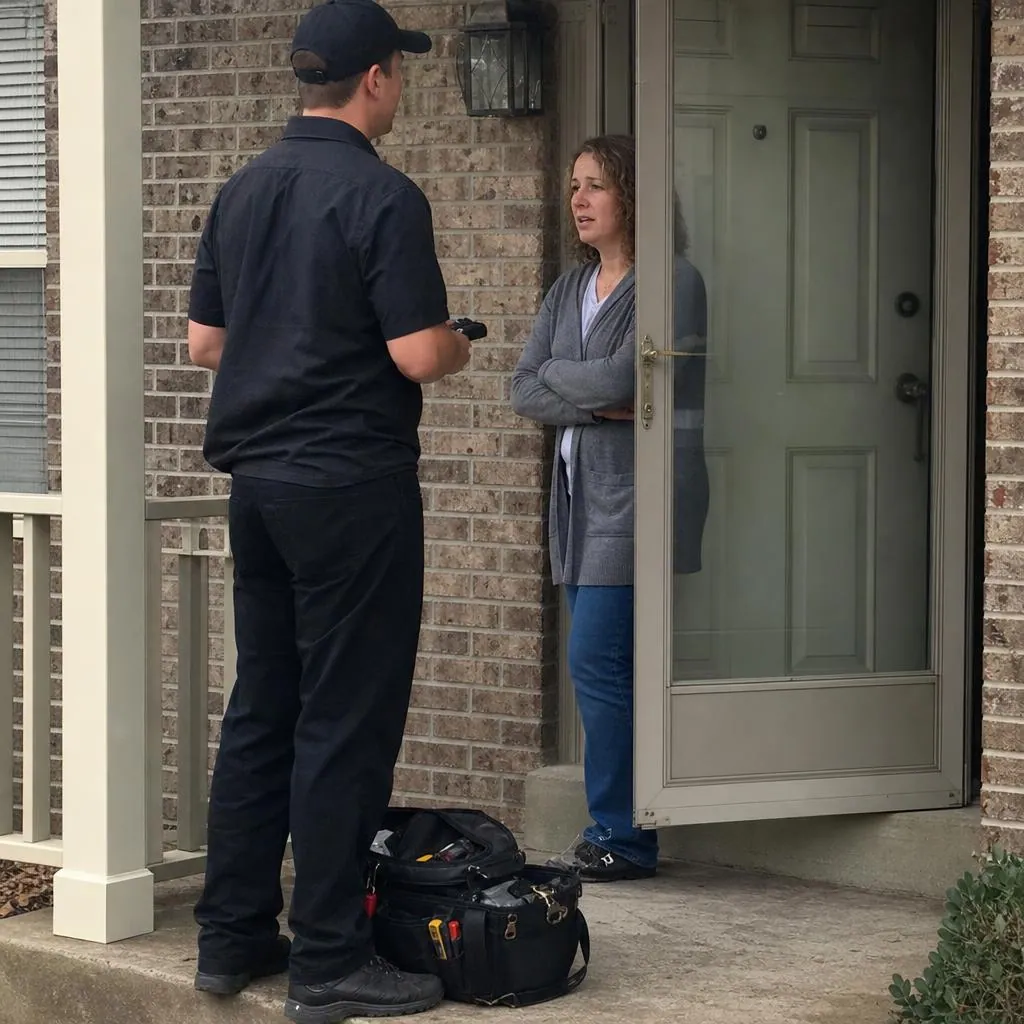
The older commercial blocks and the houses near the center of town share a trait that shapes the job: doors that have moved since the lock was installed. A frame settles, a hinge wears on one side, and a deadbolt that once slid into its strike plate starts rubbing the edge instead. Owners often read this as a failing lock and ask for a replacement.
The honest answer is usually cheaper and lasts longer: the strike plate is repositioned, the hinges are tightened or replaced, and the existing deadbolt starts working the way it did when it was new. Where the hardware really is worn out, a cylinder swap keeps the same exterior look, which matters on a building whose doors are part of its character.
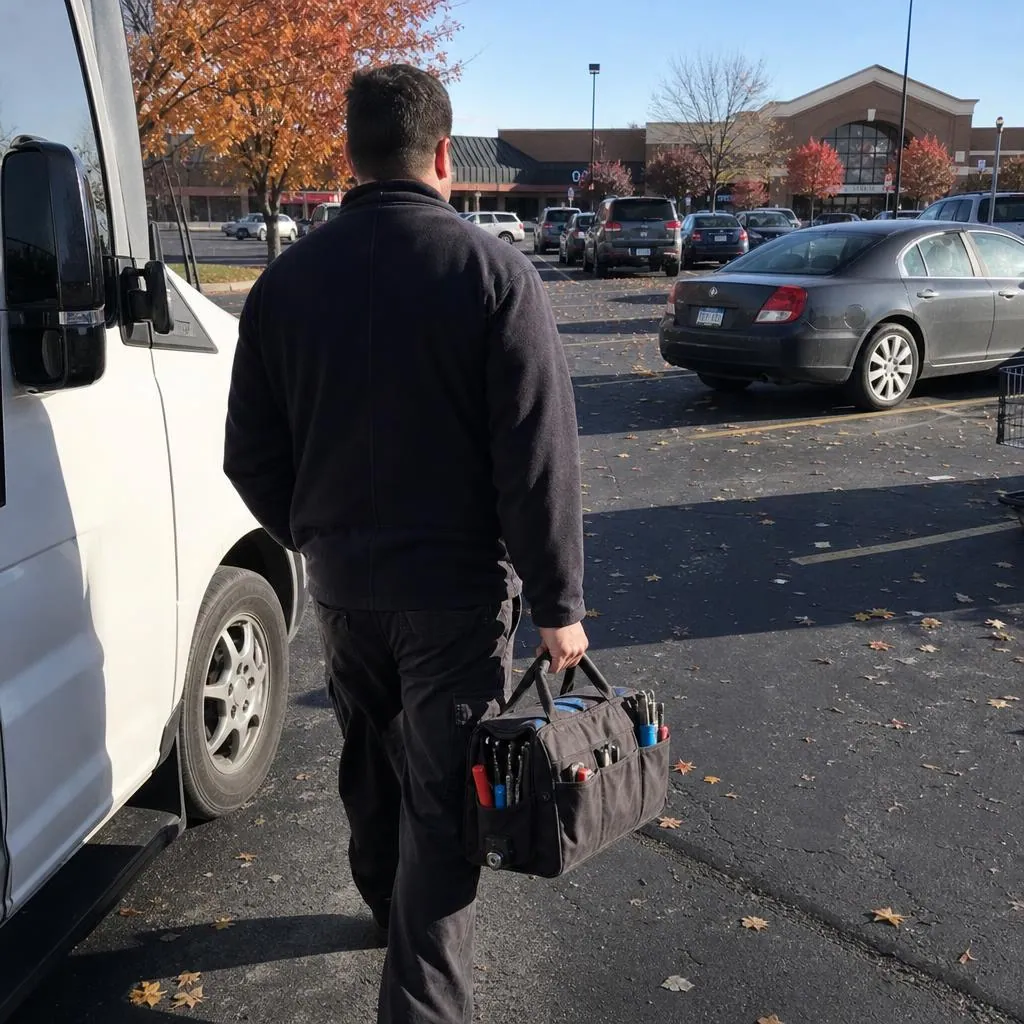
Vehicles account for a steady share of calls, and parking around campus creates a specific version of the problem. Cars sit in lots for long stretches, so a fob battery can go flat between one trip and the next. Keys get shut inside while somebody loads a trunk for a drive home.
A key that worked all term starts refusing the ignition because the cylinder has worn to the shape of the blade. All of it is work we do without moving the car. The make, the model, and the year decide which blanks and which programmer come along, and knowing whether any key is still in your possession tells us whether this is a duplicate or a build-from-nothing job.
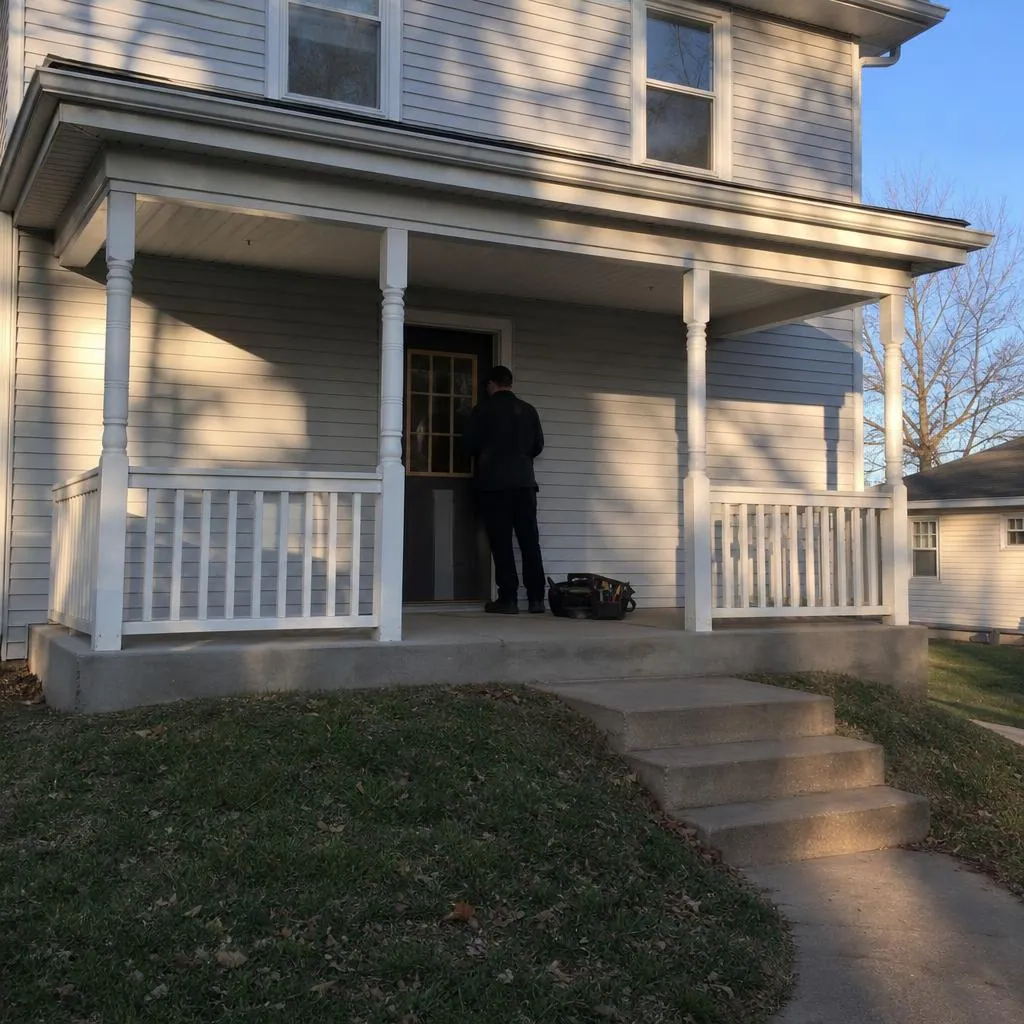
Buildings that serve the public add a step that houses do not have. A door used by visitors has to open freely from the inside at all times, which limits what can be added to it. On those doors, hardware is chosen for how it releases rather than for how it locks, and anything electronic has to fail in the safe direction. Offices, clinics, and church halls around town run into this constantly, usually after somebody has fitted a second deadbolt that fights the exit device. We look at the whole opening before adding anything, so a security improvement does not quietly create a different problem during a busy morning.
What we need from you is short and specific. Identification that shows the address is asked for, and for a rental the owner or a manager has to approve the visit. Tell us how many doors are involved, because a single lock is one visit and a house with four exterior doors is a different one. Mention any lock that has been painted over, forced, or replaced badly by a previous owner, since those change what the tools will find.
If the job is a car, keep the registration or title close by. If children or pets are inside the property, say so before we start. In that case, call 911 first, then call us. A short conversation before the visit usually settles all of it, and it avoids a second trip for a detail that could have been mentioned at the start.
Frequently asked questions
Can you rekey a house between tenants?
Yes, and it is usually better than replacing hardware. The cylinders stay in the doors and the internal pins are changed, so old keys stop working.
Do you ask for proof before opening a door?
Always. Photo identification with the address for a property, and written or spoken approval from the owner when the caller is a tenant.
My key turns but the deadbolt feels gritty. Is that serious?
It is a warning rather than a failure. Cleaning and lubricating the cylinder now is costs less than replacing it after it seizes.
Is an emergency locksmith in Fulton, MO able to help with a car on campus?
Yes. Parking lots and garages are normal locations for this work, and the vehicle does not move for it.
Can one key open several buildings?
It can, within limits. Master keying works well when the plan is set before the cylinders are pinned, so tell us about it early.
What if a lock was installed by a previous owner?
That is common. We identify what it is, whether parts are still available for it, and whether it can be brought into a single-key setup.
Calls for an emergency locksmith in Fulton, MO tend to repeat by season: turnover in one month, worn cylinders in another, cars in every month in between. Knowing which pattern you are in is most of the job, and it is why the first question we ask is what changed just before the door or the key gave up.
Write down the doors involved and what the keys are doing, then call OMW Locksmith for an emergency locksmith in Fulton, MO.