A locksmith near me in Jefferson City, MO is a call about a door, a key, or a car, and the answer has to come to that address with the parts to finish the job on the spot.
The search locksmith near me in Jefferson City, MO comes from four kinds of caller. One is a resident who cannot get into a house. Another is a driver whose only key is locked inside the car. A third is a business owner with a door that will not secure at closing.
The last is someone who bought a used vehicle that came with a single worn key. Each of them needs something different from the same van, and what they share is that the work happens where the lock is. We are a mobile locksmith working out of Columbia, and Jefferson City sits on the list of towns we cover.
An example close to home
Jefferson City shares our schedule with Holts Summit, Fulton, and Columbia, and the same van also covers California, Kingdom City, Moberly, Ashland, Hallsville, and Harrisburg. Keeping one list means a homeowner here and a shop owner two towns away get the same equipment, which matters most for car keys, since a programmer loaded for one vehicle line will not help the next caller. The base is at 2210 Whitegate Dr in Columbia, where blanks and pinning trays are restocked between runs. When you call, name the road you are on and the nearest landmark, and we will say how the visit fits the day.

Homeowners call about a door that has locked itself, a deadbolt that turns hard, or a move that left them unsure who else holds a key. Drivers call about a lockout, a fob that stopped answering, or a key that broke in the ignition. Business owners call about a storefront cylinder that has seen too many copies, a panic bar that drags, an office door that needs restricted access, or a master key plan that has outgrown the labels on the keys. Property managers call when a unit turns over and the tenant list changes. Tell us which of those you are and the visit is planned around it.
A lock is a small machine with a short list of parts: a cylinder, a set of pins or wafers, a cam, a spring, a latch, a strike, and the key that lines the pins up. Failure rarely comes from the whole assembly at once. Grit and worn pins make a key turn hard. A bent cam leaves the latch where it was an hour ago.
A strike that has shifted a fraction of an inch keeps a door from catching. A key copied from an already tired original passes the wear along to everything it touches. Knowing which part does the work is why we test a lock in place, and why a cylinder can often be repaired rather than replaced.
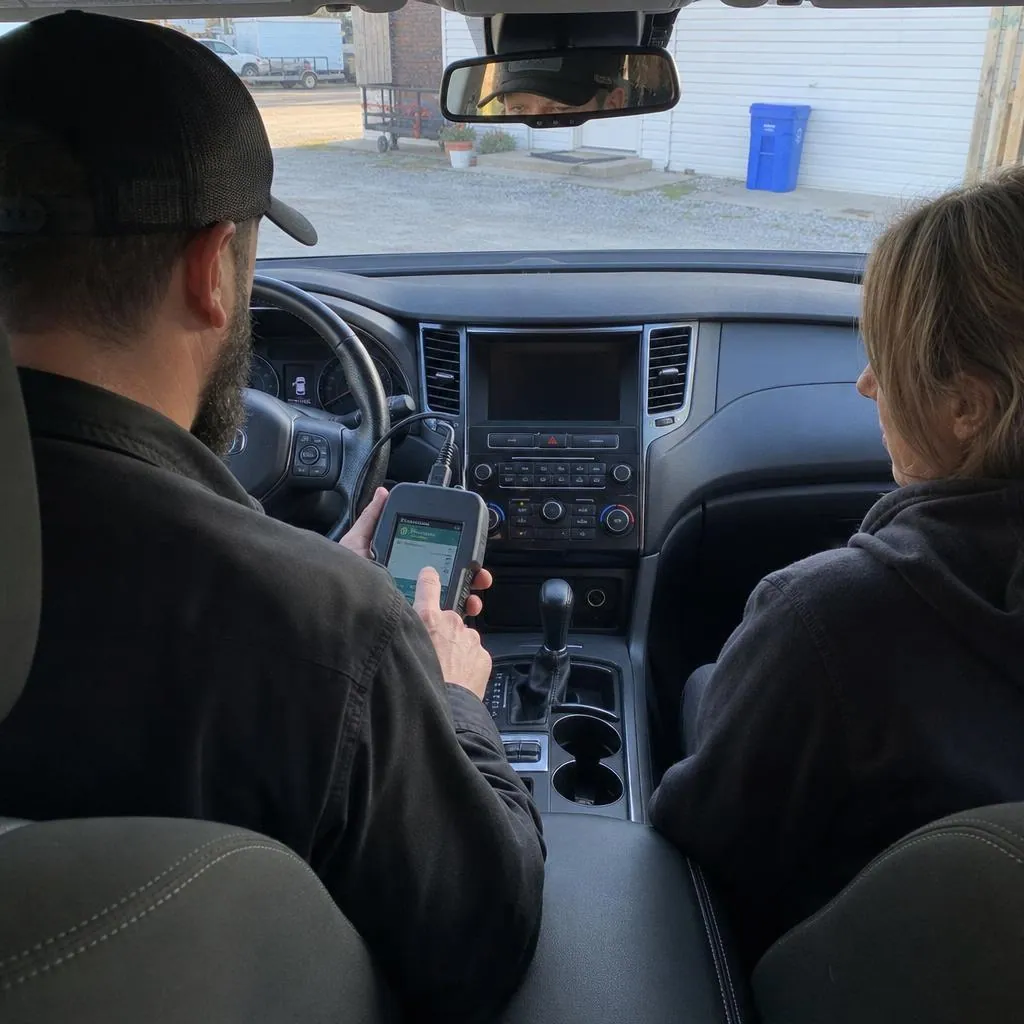
Automotive work is the branch of the trade that cannot be done at a bench. A car lockout is handled at the vehicle with tools that reach the linkage without bending the door. A replacement key is cut to the lock and then taught to the car, which is a conversation between the key and the immobilizer, and both have to be present.
A fob that no longer locks the doors may need a battery, a relearn, or a fresh board inside the shell. A worn ignition cylinder, a door cylinder that turns with almost any key, and a trunk that will not release from the outside all get looked at where the car sits in Jefferson City.
Commercial work looks different from a house because more people share the same opening. A storefront cylinder wears out from the number of hands it sees rather than from age. A panic bar has to release on the first push every time, and a closer should not let the door drift open behind a delivery.
A master key plan earns its place the moment a manager needs one key for the front door and the stockroom while the cleaning crew gets a key that opens nothing but the lobby. Access control fits the same problem when a brass key stops being enough to track who came through. We look at traffic and turnover before we suggest hardware.
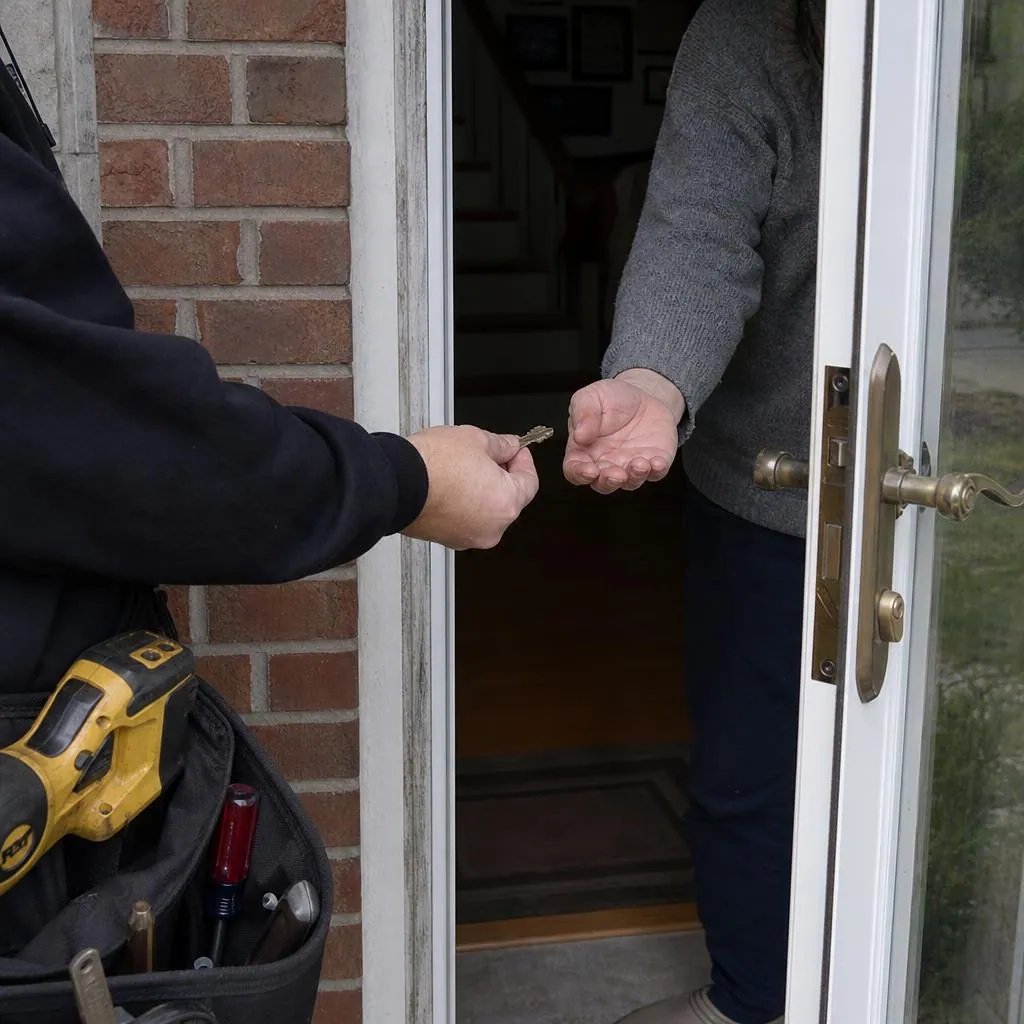
Two things come before any work on a lock you do not own in the legal sense of the word. The first is proof that the property is yours to secure, which can be a lease, a deed, a utility bill at the address, or the owner or manager speaking with us. The second is identification that matches the name on the paperwork.
For a vehicle we ask for the registration or title and a photo ID, and we count the keys you still hold, because a working key can shorten the visit. Describe the fault in your own words as well: what the key does, when the door started sticking, and whether the trouble follows one door or every door.
Frequently asked questions
What does locksmith near me in Jefferson City, MO cover?
House and business lockouts, rekeys, cylinder repair, new hardware, mailbox locks, car lockouts, replacement keys, fobs, and ignition work, all handled at the address.
Can you make a car key on site in Jefferson City?
Yes, when the vehicle can be reached and the equipment for that make is on board. We cut the key at the car and program it to the immobilizer before you drive away.
What do I need to show before you open a house or a business?
Proof that you belong there, such as a lease, a bill at the address, or the owner or manager on the phone, plus identification that matches that name.
Is it worth rekeying a rental after a tenant moves out?
It is the plainest way to end any question about who still holds a key, and it leaves working hardware in place instead of pulling it out.
My fob locks the car but will not start it. What is wrong?
The board and the chip inside a fob are separate jobs, so a fob can still lock a door while the immobilizer refuses it. We test both halves before replacing anything.
How do you choose between repairing a lock and replacing it?
We open the cylinder and check the pins, the cam, and the spring, then repair what is sound. Replacement comes up when the housing itself is cracked or the parts are no longer made.
Locksmith near me in Jefferson City, MO means a van that carries the tools to open, repair, and replace locks on the spot, whether the call is about a house, a storefront, or a car. We keep the same kit rolling through Jefferson City and the towns around it, and we leave a door that works.