In practice, professional locksmith services are shaped by the buildings themselves, because the city sits in Cole County and reaches into Callaway County. Apartment entries open off shared hallways. Small offices have one street door and a storage room behind it. Rental houses carry locks that three different people have changed over the span of a few leases.
Vehicles sit in the driveways and lots in between. Our crew works mobile from Columbia, so no lock has to be carried off to a counter and left there. This page covers what we handle in the area, how we decide between rekeying and replacement, and the details worth having ready when you call.
An example close to home
Picture a small office suite near the edge of town. The tenant leaves, the keys do not all come back, and the owner wants the suite ready for a new occupant without replacing every piece of hardware in the building. We rekey the suite entry, the interior storage room, and the rear service door, then set them so one key opens all three. The main entrance stays on the manager's master because it serves other tenants as well.
The same trip can cover a mailbox bank in the lobby and a worn closer on the front door.
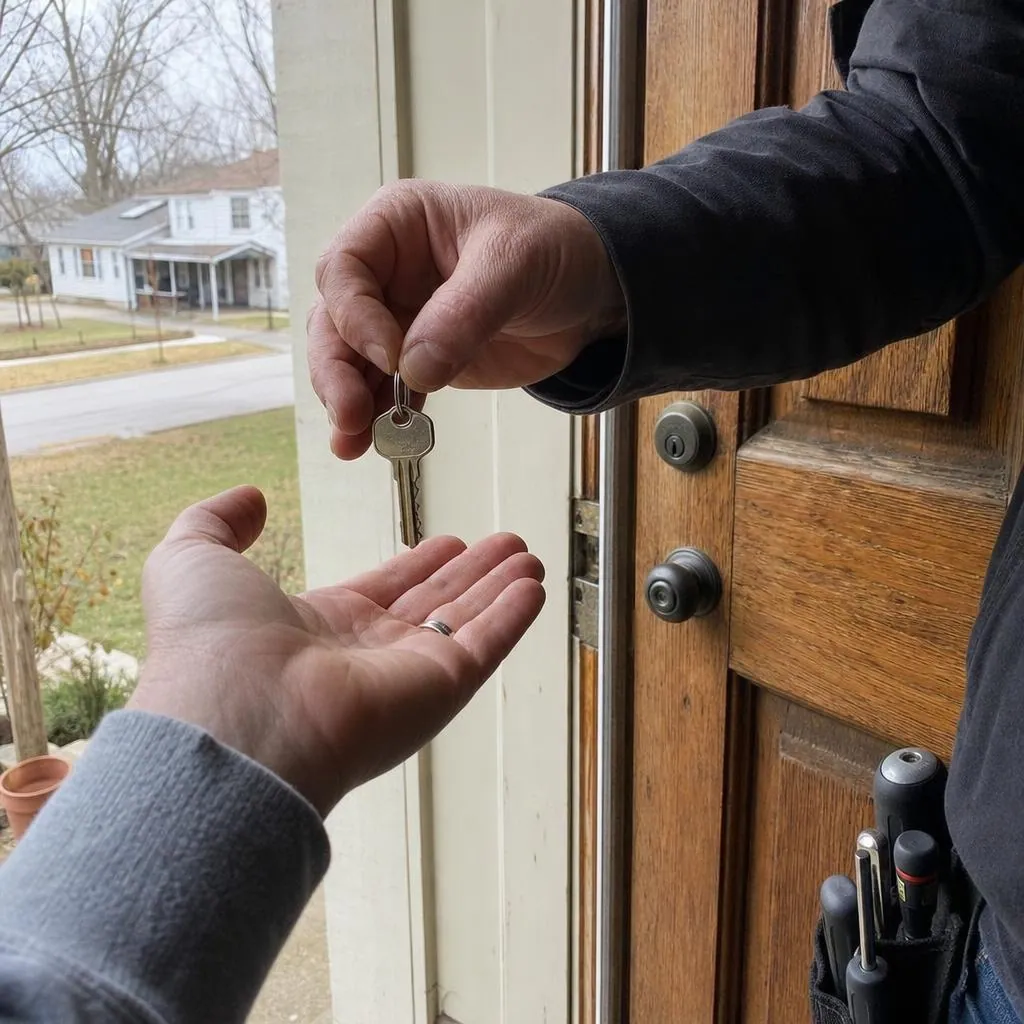
Scale changes the kind of work you see. A single-family house asks for one good entry lock, a matching deadbolt, and maybe a padlock on a shed. A multi-unit building asks for something different: a key that opens the main entrance, a separate key for each unit, and a way to shut off access when a unit changes hands. Add a small office and the list grows again, with suite doors that lock from the outside and stay open from the inside, closers that have to be adjusted so the door latches on its own, and storage rooms that only two people should enter.
That range is why we ask about the building before we talk about hardware, since the right lock for a shared hallway is often wrong for a back door.
Preparation is most of the job. Before we leave, we want to know what the door is doing, what it is made of, and whether the lock is original to the building or something a previous owner installed.
We load accordingly. A rekey takes a pin kit, a plug follower, and key blanks that match the keyway in your cylinder. A commercial door may need a different closer arm, a fresh exit device, or a strike plate that can be repositioned without tearing up the frame. When we arrive, we confirm the address and the name on the request, inspect the full door rather than just the lock body, and lay out the options before any tool comes out of the bag.
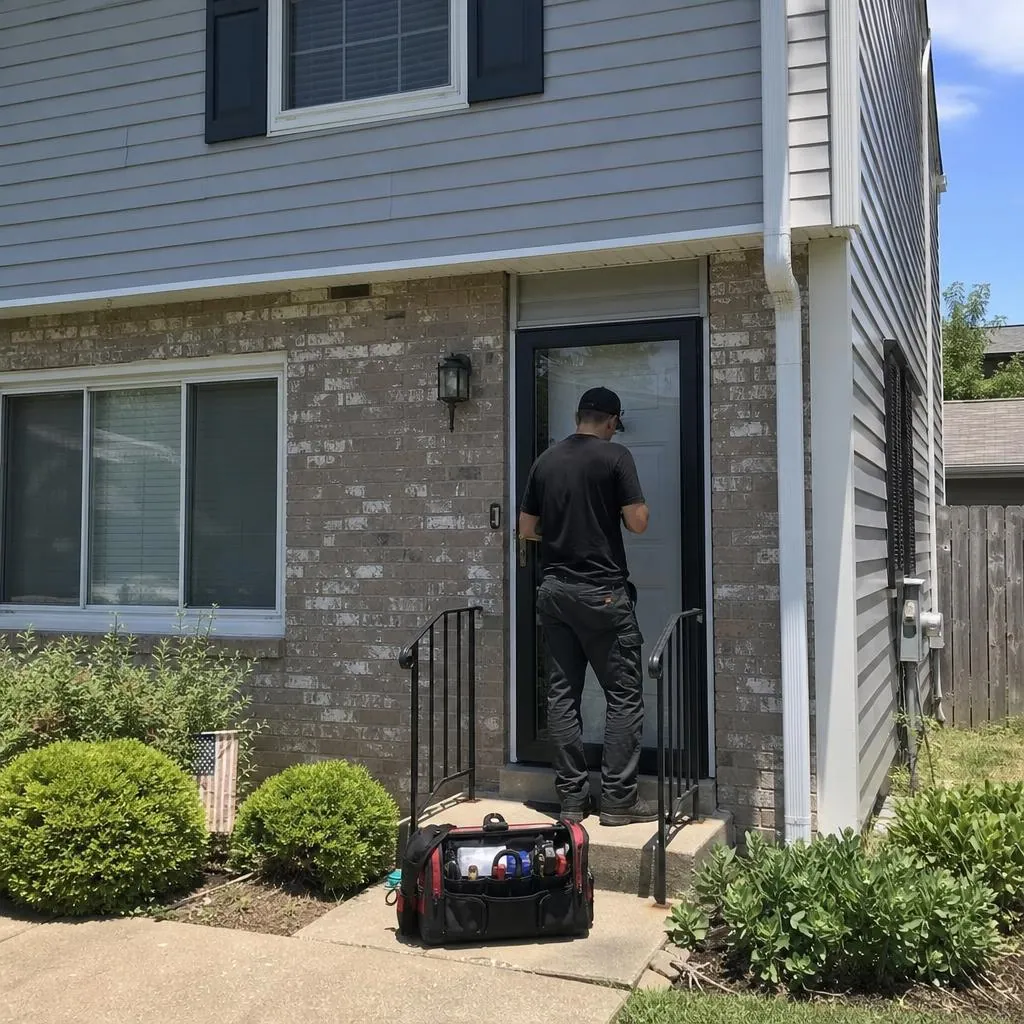
Rental turnover keeps a lot of locksmiths busy around here, and it is easy to get wrong. The departing tenant hands back one key. The landlord has no record of how many copies were made, whether a copy went to a relative, or whether the key was ever passed to a neighbor. Rekeying removes that uncertainty in a single visit.
We treat the whole unit as one system. The front door, the back door, any exterior basement or garage entry, and the mailbox lock all get brought onto the same key where the hardware allows it. The new tenant leaves with two keys, the landlord keeps one on a separate ring, and every lock in the unit responds the same way. On older doors, we flag the hardware that will not survive another turnover.
Doors in busy buildings fail differently than doors in houses. A house door might cycle a dozen times a day. A suite entry in a professional building can cycle hundreds of times, and every one of those cycles wears the latch, the strike, and the closer arm a little further.
That shows up as a door that has to be pushed hard before it latches, a handle that has gone loose in the door, or an exit device that no longer returns fully on its own. We repair what can be repaired, replace the parts that are past saving, and adjust the closer so the door finishes its own swing. For buildings with several tenants, a master key layout keeps the manager's ring simple while limiting every staff key to the doors that person actually needs to open.
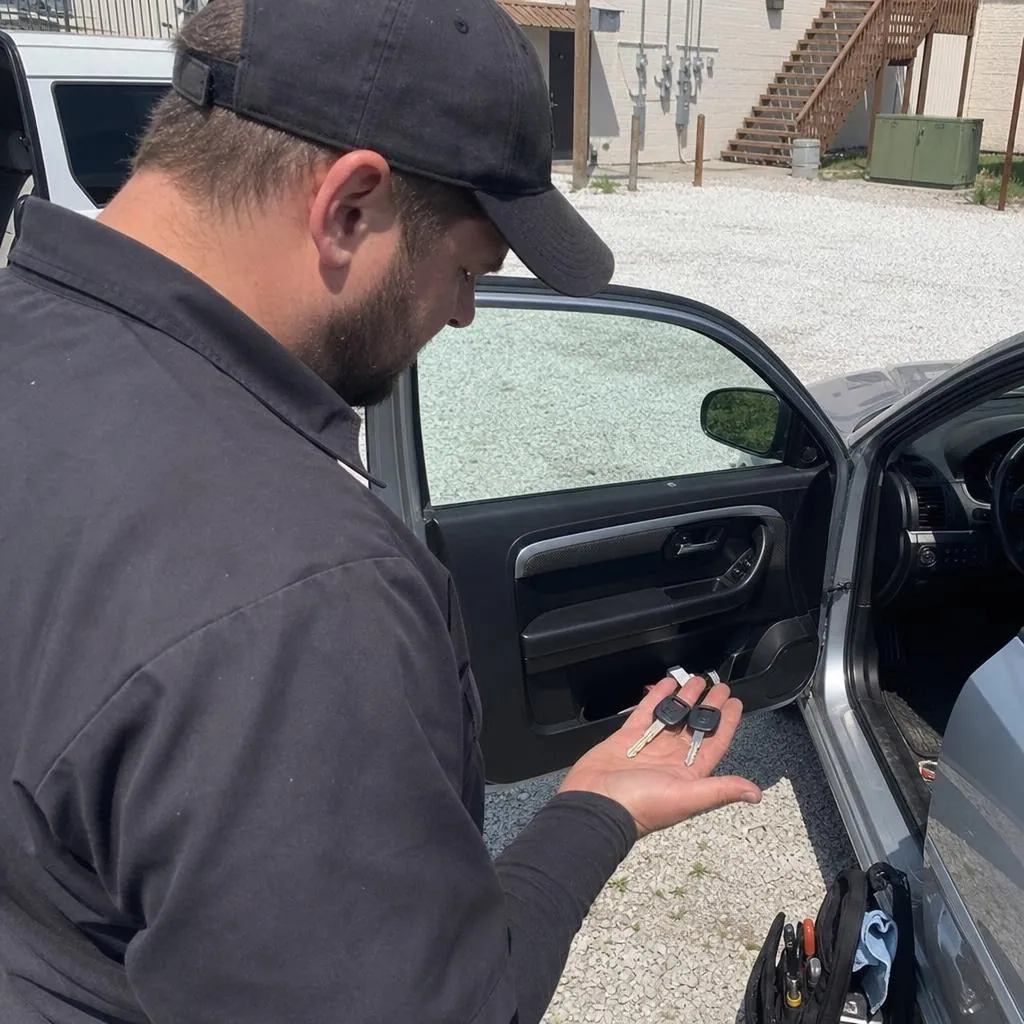
Vehicle calls come with one extra step that building calls do not. We need to confirm that the vehicle belongs to the person asking for help, because a car key is a key to somebody's property. Proof of ownership means a registration, an insurance card, or a title with your name on it. It takes a moment and it protects everyone involved.
Once that is settled, the work itself is familiar. A lockout means opening the door without damaging the trim or the glass. A lost key means cutting a new one that will start the car, not merely turn in the ignition. A second key is often the smarter request, because a spare that lives in a drawer prevents the next lockout before it happens. If the vehicle uses a fob, we check that the new key and the vehicle recognize each other before we hand it over.
Frequently asked questions
What do professional locksmith services in Jefferson City MO cover that a hardware store cannot?
A store sells you a box. We look at the door, the frame, and how the building is used, then install, adjust, or rekey the hardware so the finished door actually latches and stays secure.
Do you handle apartment buildings as well as houses?
Yes. We work on individual units, shared entrances, mailbox banks, storage rooms, and the master key layout that ties them together for a manager.
Why do you ask for proof of ownership before making a car key?
A vehicle key is access to private property. A registration, title, or insurance card in your name confirms that the request is legitimate before we cut or program anything.
Can one key open both my home and my office?
Often, if the cylinders are compatible and both locations are in the same service area. We will tell you honestly when the hardware makes that impractical.
My door only latches when I push it hard. Is that a lock problem?
Not always. Alignment, hinge wear, and a closer that is set too fast can all cause it. We check the full door and fix the actual cause instead of replacing a lock that is working fine.
What details should I have ready before the visit?
The address, a phone number that reaches you, and any key that still works. For a vehicle, add the proof of ownership. For a rental, let us know which doors the tenant should be able to open.