Local Locksmiths: 24/7 Emergency, Home, Business & Auto Services
Local locksmiths deliver rapid, on-the-ground help for lockouts, security upgrades, and vehicle key issues by combining mobile service, licensed technicians, and specialized equipment. This article explains what local locksmith services cover—emergency response, residential upgrades, commercial access systems, and automotive key programming—so you can decide quickly and confidently when a lock or key problem arises. Many people searching for “24/7 locksmith near me” need practical expectations: what technicians will do, what verification to expect, and how response times and pricing are typically handled. This guide walks through emergency procedures, residential choices like rekeying and smart locks, commercial solutions such as master key systems and access control, and automotive workflows for transponder programming and broken-key extraction. Along the way you’ll find clear checklists, EAV-style comparison tables, and anti-scam verification steps to help you choose a trustworthy local provider. By the end you will know which service fits your situation, how technicians approach the job, and what to ask before authorizing work.
What Emergency Locksmith Services Are Available 24/7 Near You?
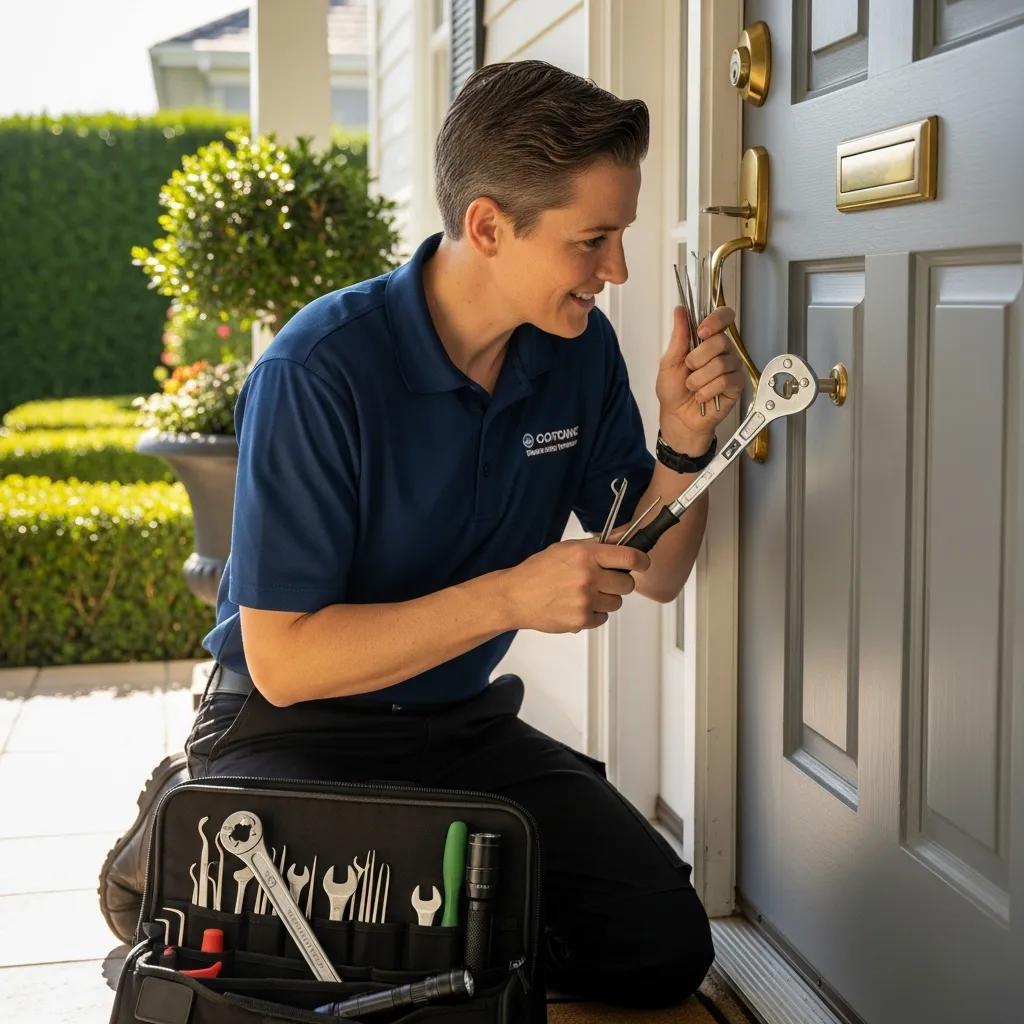
Emergency locksmith services provide immediate access and security solutions for urgent lock or key failures by dispatching mobile technicians equipped to perform non-destructive entry, broken-key extraction, emergency rekeying, and safe or file cabinet openings. These services work because technicians carry specialized picks, plug-in programming tools, and replacement hardware that let them resolve most lockouts without causing property damage, restoring access quickly and securely. Knowing the common emergency service types and the verification steps technicians take reduces stress when you call for help and improves safety for everyone involved. Below are the core services you are likely to find available around the clock and what each one resolves.
Local emergency locksmith services typically include the following response options:
- Home lockout entry: Non-destructive entry methods to regain access to a residence without replacing hardware.
- Car lockout and key retrieval: Techniques for gaining vehicle entry and extracting keys while minimizing damage.
- Broken key extraction: Safe removal of fractured key segments from locks or ignition cylinders.
- Emergency rekeying: Temporary or full rekey to secure a property after a lost-key incident.
- Safe and cabinet opening: Non-destructive methods for retrieving contents from locked containers.
These emergency options address immediate access problems while also offering follow-up security measures such as rekeying or replacement when needed. Expect a technician to verify ownership, provide an estimate, and outline non-destructive options before proceeding; this transparent process reduces surprise costs and helps you choose the safest approach. Understanding these steps prepares you to respond calmly and provide the technician with the information that speeds resolution.
How Does OMW Locksmith Provide Fast Emergency Lockout Assistance?
Emergency dispatch models rely on real-time routing to get the nearest available mobile technician to your location quickly, and technicians bring a mix of mechanical and electronic tools to solve most lockout scenarios without damaging doors or vehicles. A typical technician workflow begins with caller verification, ETA confirmation, and a brief assessment over the phone to determine likely causes and necessary equipment.
On arrival the technician will present identification, explain the proposed non-destructive method, and demonstrate options before beginning work so the property owner can approve the approach. After entry, technicians often recommend immediate security steps such as rekeying or hardware replacement if damage, lost keys, or vulnerability is detected.
This operational transparency helps callers understand expected timing and outcomes, and it reduces opportunities for opportunistic scams. Knowing that the technician will demonstrate competency and explain options first allows you to compare alternatives and avoid unnecessary drilling or high-pressure upsells.
What Should You Expect During a Car Lockout Service?
A professional car lockout service focuses first on verifying ownership and then on using non-destructive entry techniques whenever possible to avoid damage to locks, door panels, or electronics. The technician will ask for vehicle details (make, model, and year) and proof of ownership, then choose a method—slim jim alternatives, wedge-and-tool approaches, or using manufacturer-specific entry sets—aimed at preserving the vehicle’s systems. If the key is broken or the vehicle uses immobilizer electronics, the technician will explain whether on-the-spot key programming or a replacement is feasible and what follow-up steps are required. Typical on-site times vary but most car entries are resolved within 20 to 45 minutes, depending on vehicle complexity and whether programming is required.
Preparing for a locksmith visit by having vehicle ownership documents and a clear description of the problem speeds response and ensures the technician can bring the appropriate equipment. After entry, technicians will suggest next steps—such as key duplication, transponder programming, or ignition cylinder repair—to restore full functionality and prevent repeat incidents.
OMW Locksmith (On My Way Locksmith LLC) provides 24/7 mobile emergency locksmith service with licensed technicians serving the region from a mobile-first model. The company’s emergency teams focus on rapid dispatch, non-destructive entry when feasible, and transparent estimates before work begins. If you need immediate assistance during an out-of-hours lockout, contact OMW Locksmith through their listed online presence or their Google Business Profile for fastest routing and verification.
Which Residential Locksmith Services Improve Home Security Locally?
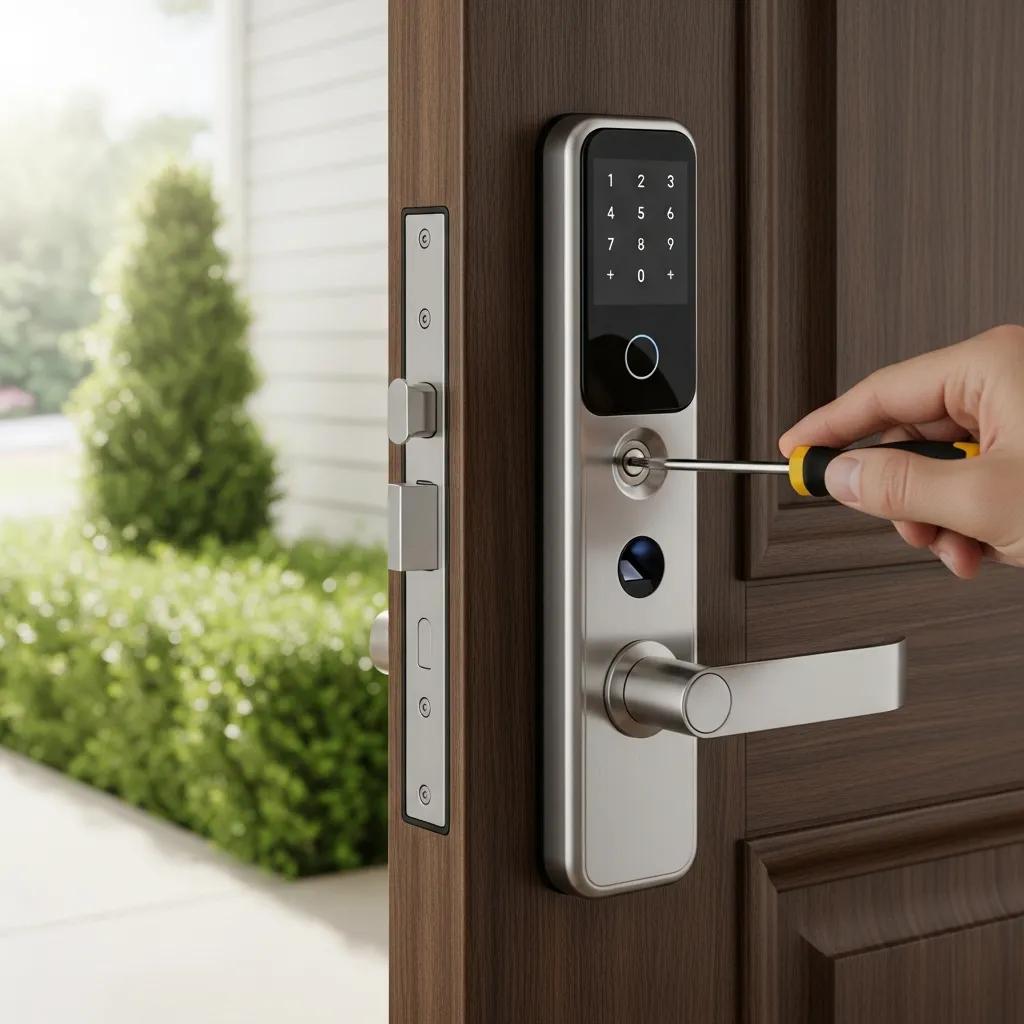
Residential locksmith services help homeowners upgrade physical security and control access through targeted interventions such as rekeying, lock replacement, deadbolt installation, smart lock setup, and formal home security assessments. These services work by changing mechanical keys, upgrading hardware to higher security grades, or adding electronic access options that allow code-based entry and activity logs. The right combination reduces unauthorized access risk, supports tenant or guest management, and can integrate with broader home automation for convenience and oversight. Homeowners should evaluate trade-offs—cost, invasiveness, and long-term manageability—when deciding between rekeying and full replacements.
When comparing common residential options, this table clarifies typical use cases and time/price expectations so you can scan choices quickly.
This table compares typical residential locksmith options, when they’re used, and what to expect:
| Service | Typical Use Case | Typical Time / Price Range |
|---|---|---|
| Rekeying | After move-in, lost key, or roommate change | 30–60 minutes; low-to-moderate cost |
| Lock replacement | Old or damaged hardware, higher security needed | 45–90 minutes; moderate cost |
| Deadbolt installation | Upgrade entry security to ANSI grade 2/3 | 60–90 minutes; moderate cost |
| Smart lock installation | Remote access, guest codes, activity logs | 60–120 minutes; moderate-to-high cost |
This comparison helps homeowners decide which intervention meets their security needs and budget by matching urgency, desired features, and expected service time.
How Can You Benefit from Residential Lock Change and Rekeying?
Rekeying changes the internal pinning of an existing lock so old keys no longer work, delivering a fast and usually lower-cost security reset after a lost-key event or tenant change. Lock change replaces the entire lock hardware and is recommended when hardware is worn, outdated, or when you want an immediate upgrade to higher-security cylinders and standards. Rekeying is efficient for preserving existing hardware while restoring exclusive access, whereas replacing locks offers the chance to move to ANSI-rated cylinders, pick-resistant designs, or integrated smart hardware. Decide based on condition, desired security level, and whether you prefer mechanical simplicity or modern electronic convenience.
A short checklist helps homeowners decide: consider the lock’s physical condition, the level of perceived threat, compatibility with smart home devices, and budget. These criteria direct the right balance between rekeying speed and the long-term benefits of replacement.
What Commercial Security Solutions Do Local Locksmiths Offer?
Commercial locksmiths design and install systems that control employee and visitor access while providing accountability, scalability, and reduced risk of unauthorized entry through solutions like master key systems, electronic access control, high-security cylinders, and key management workflows. These solutions work by aligning physical hardware (cylinders, electromechanical locks) with administrative controls (access schedules, audit logs) so businesses can grant or revoke privileges quickly without rekeying entire suites. The right commercial setup reduces administrative overhead, supports regulatory compliance for sensitive sites, and scales as businesses grow or tenant mixes change. Below is a practical mapping to help business owners evaluate options by business type.
How Do Master Key Systems Enhance Commercial Access Control?
Master key systems use a hierarchical design where different key levels grant distinct access scopes—from individual office rooms to entire building access—making them effective where role-based entry is required. The mechanism involves precisely cut key combinations and a controlled keying plan that allows administrators to maintain limited distribution of higher-level keys while issuing lower-level keys broadly. Benefits include simplified key inventories, faster onboarding for staff, and reduced need to rekey after key loss when combined with strict key control policies. Common pitfalls are inadequate documentation and uncontrolled duplication; implementing a strict record-keeping practice and restricted key blanks mitigates these risks.
Well-executed master key plans pair mechanical design with administrative controls to maintain security without hindering daily operations.
What High-Security Locks and Access Control Options Are Available?
High-security locks encompass mechanical cylinders engineered to resist picking, drilling, and unauthorized duplication, while electronic access control options range from keypad and prox-card systems to mobile credential platforms that integrate with building management. Mechanical high-security cylinders provide robust, passive protection that does not rely on power or networking, making them suitable for core perimeter defenses. Electronic systems add administrative flexibility—timed access, user revocation, and event logs—but require ongoing maintenance, power, and cybersecurity attention. For many businesses, a hybrid approach that combines mechanical high-security hardware at critical points with electronic control where flexibility is needed delivers the best mix of reliability and manageability.
Choosing the right mix depends on site criticality, budget for lifecycle maintenance, and the level of auditability required by the business.
OMW Locksmith (On My Way Locksmith LLC) offers commercial services including master key systems and access control installations and can arrange a no-obligation on-site assessment or quote to map solutions to your facility needs. Their commercial teams can evaluate site-specific vulnerabilities, propose hardware or electronic options, and provide a clear estimate for implementation and maintenance. Requesting an on-site assessment helps translate business access goals into a phased plan that balances cost, security, and operational impact.
What Is Involved in Car Key Replacement and Transponder Key Programming?
Replacing a car key typically starts with verifying ownership and identifying whether the vehicle requires a plain cut key or a transponder-equipped key that must be programmed to the vehicle’s immobilizer. For transponder keys the technician will cut the new key blank, program the transponder chip using manufacturer-specific or universal programming tools, and then test engine start and remote functions to confirm full integration. Some newer vehicles require dealer-only protocols or subscription-based security steps that limit third-party programming; in those cases a technician will explain dealer dependencies and any additional costs. Clear communication about vehicle year, make, model, and VIN before arrival reduces on-site delays and improves first-visit success rates.
Providing accurate vehicle details and proof of ownership when you call speeds the process and often avoids multiple visits or the need to tow the vehicle.
How Are Broken Key Extractions Handled by Local Locksmiths?
Broken key extraction prioritizes non-destructive methods—specialized grips, micro-extractors, and precision tools—to remove key fragments while preserving the integrity of the lock or ignition cylinder. Technicians will inspect the remaining key portion and the cylinder condition to decide whether extraction alone is sufficient or whether cylinder repair or replacement is required afterward. If extraction risks damage or proves impossible, controlled drilling and replacement may be necessary, and technicians will explain trade-offs and cost implications before proceeding. After extraction, rekeying or key duplication is commonly recommended to prevent recurrence and restore full, reliable functionality.
Prompt attention and correct technique reduce the risk of further damage and shorten downtime caused by unexpected key failure.
Why Choose a Local Locksmith with Transparent Pricing and Licensed Professionals?
Choosing a local locksmith that emphasizes licensing, insurance, visible identification, and transparent pricing protects consumers from scams and ensures recourse in the unlikely event of damage or substandard work. Verification steps include asking for technician ID, confirming the company name and local presence, requesting an upfront estimate, and checking recent local reviews via a business profile—these actions validate professionalism and reduce risk. Transparent pricing typically means a clear base rate, any emergency or after-hours surcharge disclosed up front, and an itemized explanation of parts and labor before work begins. Recognizing red flags—unmarked vehicles, insistence on drilling without explanation, or vague quotes—prevents expensive surprises and helps you choose the right provider.
Below is a short checklist you can use when evaluating any locksmith before authorizing work.
- Ask to see technician ID: Confirm the name and company affiliation match the service request.
- Request a written or verbal estimate: Make sure surcharges and parts are disclosed.
- Verify licensing/insurance: Confirm the locksmith is licensed where required and carries liability coverage.
- Avoid on-the-spot drilling without justification: Ask for alternatives and second opinions if unnecessary damage is proposed.
Following these checks reduces the likelihood of scams and increases chances of a satisfactory outcome. Clear verification practices give consumers leverage to demand accountability and ensure that work will be performed to professional standards.
How Does OMW Locksmith Build Trust and Prevent Locksmith Scams?
OMW Locksmith (On My Way Locksmith LLC) emphasizes licensed technicians, transparent on-site estimates, and a mobile service model that shows up in marked vehicles—practices that help customers verify legitimacy and avoid common locksmith scams. When OMW Locksmith responds to calls they provide clear identification, outline non-destructive options first, and present pricing information before starting work so customers can make informed decisions. Consumers should still perform basic checks—ask for ID, request an estimate, and confirm the company name matches the service request—to ensure the technician on-site aligns with the advertised profile. These combined practices reduce the opportunity for opportunistic behavior and make it easier to resolve issues through documented channels if concerns arise.
Keeping these verification steps in mind makes emergency interactions smoother and helps protect property and finances during urgent situations.
Which Local Areas Do OMW Locksmith Services Cover in MO?
OMW Locksmith’s regional coverage includes Columbia MO & surrounding ensuring mobile technicians can respond to residential, commercial, and automotive needs across a defined service footprint. Listing specific service areas helps capture relevant “near me” queries, clarifies where mobile dispatch is practical, and informs customers whether on-site assessments are available. Below are the primary cities served and a short note about typical local needs in each area.
Author: Mike Gonzales, professional locksmith instructor of 35 years