Car Key Replacement Near Me: Fast, Affordable On-Site Service in MO
If you’ve lost or damaged your car key, a local automotive locksmith can replace and program a new key on-site to get you back on the road quickly and securely. This guide explains how car key replacement works, what influences cost, and which key types require cutting, transponder programming, or full smart-key reconfiguration. You will learn practical steps for emergency car key replacement, how technicians perform on-site cutting and programming, and what documentation and vehicle data technicians use to complete the job. The article also compares common service options — locksmiths, dealerships, and hardware stores — and explains why mobile automotive locksmith services often offer faster, more cost-effective solutions. Read on for clear cost guidance, a breakdown of key types, emergency procedures, a step-by-step HowTo process, and concise information about a local provider that serves the Kansas City metro area. This overview uses current best practices and semantic context like VIN, ECU, and immobilizer interactions so you can make informed decisions about replacing a car key near you.
What Types of Car Keys Can Be Replaced and Programmed?
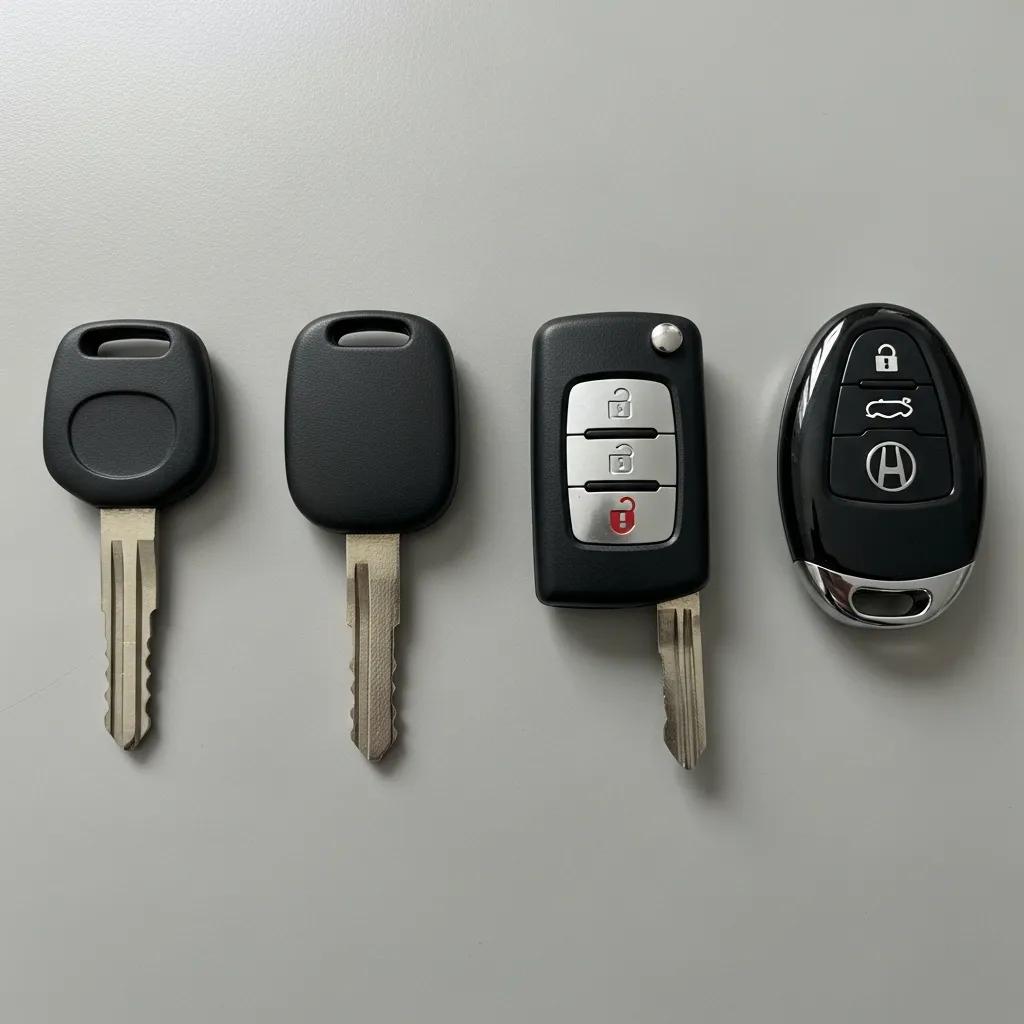
Car key technology ranges from traditional metal blades to fully integrated smart-key systems; each type requires different hardware and programming steps to replace. Knowing which category your key falls into clarifies whether the service requires cutting only, transponder programming, remote module cloning, or smart-key ECU pairing. This section defines the main key types, explains typical service needs, and helps you identify which repairs or replacements apply to your vehicle. A quick reference table follows to let you match your key to common vehicle examples and see what to expect when seeking car key replacement near you.
Use the table below to identify your key type and the typical service approach required for replacement or reprogramming.
| Key Type | Typical Features | Common Vehicle Examples / Notes |
|---|---|---|
| Traditional blade key | Metal blade, mechanical cut, no electronics | Older models, basic economy cars — cutting only |
| Transponder (chip) key | Embedded transponder chip, requires programming | Many 1990s–2010s vehicles — chip must be paired to ECU |
| Remote key fob | Buttons for lock/unlock, may include panic/trunk | Requires battery check, reprogramming, or replacement |
| Laser-cut / sidewinder key | Precision-cut blade, often paired with transponder | Mid- to high-end models — specialized cutting machine |
| Smart key / keyless entry | Proximity detection, push-button start, module pairing | Newer cars with keyless systems — may need module and ECU work |
This table helps you quickly identify the type of key you have and whether replacement will involve simple cutting or advanced programming.
OMW Locksmith services cover the full range of automotive key types and brings specialized equipment and experience to each category.
How Do Key Fob Programming and Replacement Work?
Key fob servicing begins with distinguishing a battery or signal problem from a failed electronic module that requires replacement or reprogramming; technicians first inspect the fob, replace the battery when applicable, and test signal transmission. If the fob’s internal circuit is damaged or it cannot be reprogrammed, the technician may provision a new fob and program it to the vehicle using diagnostic and key programming tools that communicate with the immobilizer or ECU. Programming processes vary by manufacturer; some vehicles allow in-car reprogramming, while others require device-level pairing using specialized equipment to write codes to the vehicle. Once programmed, the technician validates all fob functions including lock/unlock, trunk release, and panic, ensuring synchronization with onboard systems. Proper testing confirms the remote and on-board units communicate reliably before the technician departs.
A clear understanding of fob mechanics leads into transponder replacement, which ties keys to vehicle immobilizers and security modules.
What Is Transponder Key Replacement and How Is It Done?
A transponder key contains a microchip that transmits a unique code to the vehicle’s immobilizer; without a correctly programmed transponder, the vehicle will not start, so replacement includes both cutting the key blade and pairing the transponder to the ECU. Technicians retrieve identifying information from the vehicle—often via VIN or diagnostic access—and use programming tools to write the transponder code or clone an existing chip when possible. The physical key is cut to match the ignition or door profile, then the transponder portion is synchronized with the vehicle’s security system through the programming sequence the vehicle manufacturer requires. After programming, the technician performs a full functional check: the key must turn the ignition, start the engine, and interact with any related immobilizer or security warning systems. This combined mechanical-and-electronic workflow explains why transponder jobs cost more than blade-only replacements.
Understanding transponder programming requirements helps you gather the right documentation and vehicle details before service.
Automotive Locksmiths and Key Replacement: Security of Keyless Entry Systems
For most types of car locks, locksmith tools exist that allow to decode the lock and cut a new key. This process is often faster and cheaper than going to a dealership. The article also discusses the security vulnerabilities of remote keyless entry systems, which can be exploited by attackers to gain unauthorized access to vehicles.
Lock it and still lose it—on the ({In) Security} of automotive remote keyless entry systems, FD Garcia, 2016
How Can I Get Emergency Car Key Replacement Near Me?
Emergency car key replacement centers on quick triage, verification of ownership, and mobile on-site service that can cut and program a replacement key at the vehicle location. When keys are lost or locked inside a vehicle, priorities include personal safety, securing the vehicle, and confirming proof of ownership so a technician can legally perform key creation or reprogramming. Mobile locksmith units equipped for automotive service carry blanks, programming tools, and diagnostic devices to generate a key from VIN data or to program replacement transponders and fobs on-site. The steps below outline the immediate actions to take and what to expect from an emergency mobile call, helping you minimize wait time and ensure you have required information ready for the technician. Following that, we summarize how a technician will handle lost-key scenarios without an original present.
Prepare the essentials to speed the emergency process and enable a reliable on-site replacement.
- Gather proof of ownership: valid photo ID and vehicle registration or title.
- Note vehicle details: make, model, year, and VIN if available.
- Stay in a safe, well-lit location and be ready to verify identity when the technician arrives.
Having documentation and vehicle details ready reduces verification time and helps the technician start cutting or programming sooner.
What Is the Process for Lost Car Key Replacement Without the Original?
Replacing a lost car key without the original involves establishing ownership, retrieving vehicle identifiers, creating a physical key, and programming electronics as required; the process begins with proof of ownership and often the vehicle VIN, either provided by the owner or read from the vehicle. Technicians can extract the key code from the vehicle or use diagnostic tools to read immobilizer data and generate a new transponder code when necessary. If a blank must be cut from the vehicle’s lock or door, precise key-cutting equipment on the mobile van is used to create a reliable blade; programming then pairs any transponder or fob to the ECU. Time varies by key type — basic blade replacements can be completed quickly, while smart-key or dealer-level protocols may take longer — but transparent communication about expected duration helps set customer expectations. This sequence shows why having documentation and vehicle details on hand speeds replacement without the original key.
Knowing the lost-key workflow guides you to prepare the right items and choose the appropriate service provider for emergency work.
How Does OMW Locksmith Provide 24/7 Mobile Emergency Service?
OMW Locksmith offers 24/7 mobile emergency automotive service with technicians dispatched in equipped vans that carry key blanks, cutting machines, programming devices, and common replacement remotes so they can address most on-site needs. When customers request emergency assistance, technicians gather vehicle details and proof of ownership to confirm authorization before beginning work, and they explain the expected steps and typical timeframes for cutting and programming. The mobile units enable on-site VIN retrieval, key cutting, and ECU programming for many transponder and remote jobs, reducing the need for towing to a dealership. OMW Locksmith emphasizes licensing, insurance, and experienced technicians to give customers confidence during after-hours calls, while guidance on what documents to have ready helps avoid delays. For immediate needs, customers are advised to check the company’s online presence or Google Business Profile for up-to-date contact options and availability.
Describing the emergency workflow clarifies on-site expectations and transitions naturally into the detailed step-by-step replacement process.
How Do Technicians Cut and Program New Car Keys?
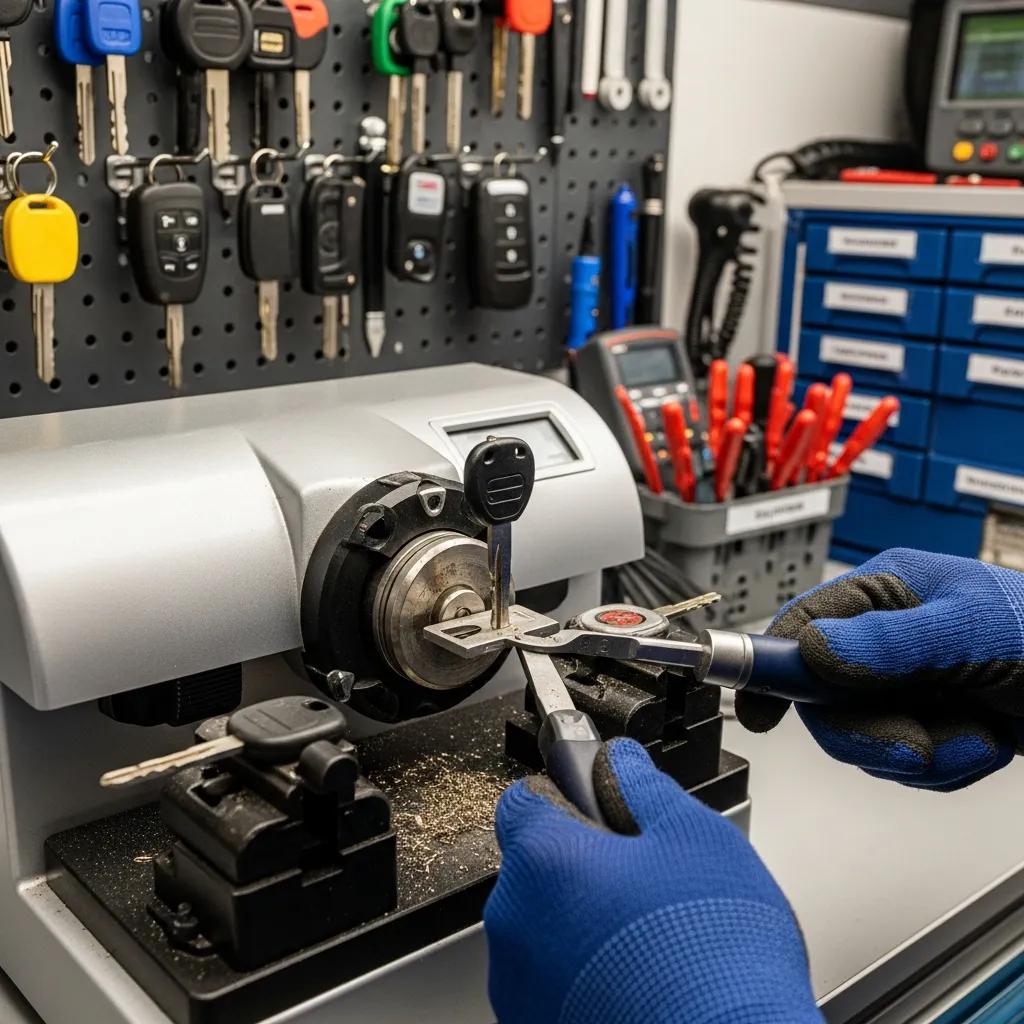
Technicians begin by selecting the correct key blank based on vehicle specifications or key code, then use precision cutting equipment—mobile duplicators or laser cutters—to shape the blade to the ignition and door profile; accurate cutting prevents wear and binding. After the mechanical cut, the electronic component (if present) is addressed: the technician uses programming tools to write the transponder code or pair the remote module with the vehicle’s immobilizer or ECU, following manufacturer procedures or aftermarket programming sequences as appropriate. Quality control includes testing the key in the ignition, validating remote commands, and monitoring for error codes via diagnostic tools; successful programming is confirmed by the vehicle starting and all remote functions working reliably. Clean documentation of the part used and the programming steps is provided so customers know what was done and what warranty, if any, applies.
Careful mechanical and electronic steps ensure the new key functions reliably and lead into what customers should expect while the technician works on-site.
What Should Customers Expect During On-Site Mobile Service?
During on-site mobile service, customers should expect the technician to request photo ID and proof of ownership, to work in the immediate vicinity of the vehicle, and to explain estimated time and any parts required before starting work. Typical on-site durations vary: blade-only jobs often complete within 20–40 minutes, transponder and fob programming can extend to an hour or more, and complex smart-key systems may require additional diagnostic time; traffic or after-hours calls can also affect arrival time. Payment arrangements and receipt issuance occur after successful testing; customers should ask about warranty coverage on parts and programming before payment. For a smooth service experience, have ID, vehicle registration, and any remaining keys or remotes available, and position the vehicle in a safe, accessible spot to allow the technician clear access to doors and the ignition area.
These expectations help customers prepare for the visit and ensure the mobile technician can complete the replacement efficiently.
Why Choose OMW Locksmith for Car Key Replacement Near Me?
OMW Locksmith positions itself as a local mobile alternative to dealerships by emphasizing experienced automotive technicians, 24/7 mobile dispatch, licensed and insured operations, and transparent pricing that explains parts and programming costs. The company’s automotive locksmith section focuses on on-site services such as transponder key replacement, key fob programming, laser-cut key cutting, and smart-key support, enabling many customers to avoid longer dealer wait times and markups. Reported customer ratings in the local profile indicate high satisfaction, reflecting speed, professionalism, and clarity when technicians explain work and provide estimates. Below are the primary benefits to consider when evaluating a mobile locksmith versus conventional options, followed by a brief note on ratings and where to confirm the latest feedback.
These benefits highlight why customers often select a mobile locksmith for fast, reliable car key replacement.
- Licensed and insured technicians provide professional workmanship and reduce liability concerns.
- 24/7 mobile service reduces downtime by bringing key cutting and programming to your location.
- Transparent estimates explain parts, labor, and programming so you can compare with dealership pricing.
OMW Locksmith’s UVPs and high ratings support its positioning as a local, responsive option for automotive key services.
What Are the Benefits of Licensed, Insured, and Experienced Professionals?
Hiring licensed and insured technicians reduces risk: licensing demonstrates that practitioners meet regulatory standards, while insurance protects customers in the rare event of accidental damage during on-site work. Experienced technicians are less likely to make errors in cutting or programming, which minimizes the chance of repeat visits or additional costs, and their training often includes familiarity with a wide range of vehicle immobilizer systems and programming tools. Using proper equipment in a mobile unit—precision cutters, branded or aftermarket programming devices, and diagnostic interfaces—ensures that replacements meet manufacturer tolerances and security protocols. These professional safeguards combine to deliver higher first-time success rates and clearer documentation, which benefits customers who value reliability and accountability.
Understanding technician credentials helps customers weigh the practical advantages of a professional mobile service against less-equipped alternatives.
How Do Customer Reviews Reflect OMW Locksmith’s Quality and Speed?
The locally reported rating range indicates strong customer satisfaction with fast response times, clear communication, and effective on-site key replacement and programming work; consistently high ratings typically signal reliability and positive service outcomes. Reviews often highlight themes that matter for car key replacement: timeliness, technician competence, transparency of pricing, and successful programming on the first visit. Prospective customers should view recent reviews on the company’s Google Business Profile to confirm current performance and availability, since real-time feedback provides the best snapshot of responsiveness and quality. Checking recent feedback helps you confirm whether a provider consistently meets expectations for emergency response and technical capability before scheduling service.
Positive ratings and up-to-date reviews are practical trust signals when selecting a local car key replacement provider.
Which Areas Does OMW Locksmith Serve for Car Key Replacement?
OMW Locksmith targets service across multiple communities in the Columbia City metro area, offering mobile automotive key services where technicians can reach customers quickly by dispatching equipped vans.The Columbia, MO metro area, officially part of the larger Columbia–Jefferson City–Moberly Combined Statistical Area, includes nearby cities like , with Boone County as its core
Jefferson City, Moberly, Mexico, Boonville, Centralia, Fayette, Ashland, Hallsville, and Sturgeon. Service times may vary by traffic conditions and time of day, which is why customers in fringe areas are encouraged to contact the company for confirmation. If you are located near the named cities, expect mobile response options that prioritize on-site cutting and programming to minimize downtime and the need for towing.
This geographic clarity helps local searchers determine whether mobile assistance for car key replacement is likely available in their area. for questions contacts us at OMW Locksmith (636) 201-1375
Author: Mike Douglas , certified locksmith of 28 years, local expert at Columbia, MO